
Tanzania track and field athletes are a source of pride. The most compelling contemporary narrative in Tanzania running is simple: With Alphonce Simbu converting years of elite toil into marathon gold at the 2025 World Athletics Championships in Tokyo, the country finally received its first senior global title in the sport.
And that result is more significant still because it comes amid a longer line of success that extends from the record-breaking genius of Filbert Bayi to Suleiman Nyambui’s Olympic silver and Christopher Isengwe’s world podium, not forgetting Gabriel Geay who ranks among the fastest road runners ever born by the country.
From federation offices in Dar es Salaam to the grueling East African training blocks, this was a story of talent and patience and little breakthrough glories that felt overdue. For those looking to celebrate this historic achievement with a bit of winning luck of their own, you can find a Spinbetter casino no deposit bonus waiting to be claimed.

A Quick View Of The Nation’s Biggest Names
| Name | Main discipline | Key result | Why it matters |
| Filbert Bayi | 1500m, steeplechase | Commonwealth title and 1500m world record in 1974 | Put the country on the map in middle-distance racing |
| Suleiman Nyambui | 5000m | 1980 Olympic silver | Most important gold medal in national history |
| Christopher Isengwe | Road running | World marathon silver in 2005 | Opened the modern medal chapter |
| Alphonce Simbu | Marathon | World title in 2025 | First senior global gold |
| Gabriel Geay | Road racing | 2:03:00 national record and Boston runner-up | Proof of current elite depth |
These names do not represent a huge medal factory. They represent something more specific: whenever a top athlete from this program reaches full maturity, the ceiling can be extremely high.
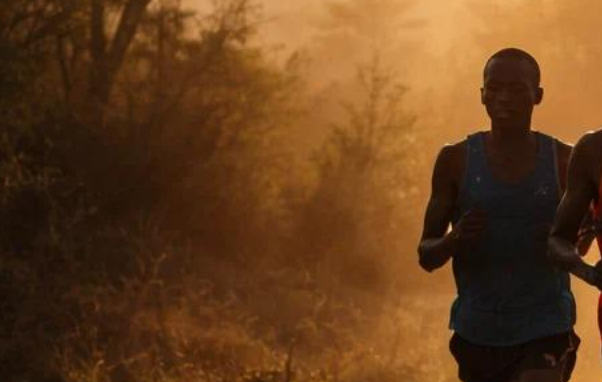
How Historic Marathon Gold: How One Athlete Brought Tanzania’s First-Ever World Title Back From The Finish Line In Tokyo
Simbu had already shown real class before Tokyo. What made 2025 different was the scale of the jump. He did not just return to the medals. He took the title and became the first man from his country to claim a senior global crown in this sport.
That result and for much of that reason came in the discipline most closely connected with the country’s present day image. The marathon has become the stage where the top Tanzanian international marathons come in and beat most of the international field so frequently. Championship racing takes patience, control and courage late, and Simbu’s Tokyo run could find all three among these ones. A historic victory in which the country’s name was front-burnered in elite distance running.
In addition, there is also the second element to his rise. Simbu was no one-week surprise. He had already honed a good résumé, though, and his runner-up position at Boston in 2025 showed that he could carry on in a role beyond championships in the long fall of 2025. So great road runners aren’t simply medal winners, but whether they can compete well for deep fields and stay in the lead all the time.

From Track Legend To World-Class Road Racing: Why Tanzania’s Top Athlete Bayi Keeps Getting On The Podium
If Simbu is the landmark moment, then Gabriel Geay gives us proof that the country has more than one elite card to play now.
Geay matters because he broadens the picture. A strong program is not built on a single runner peaking once. It grows when another leading name can deliver major results in different settings: fast courses, tactical contests, and heavily watched road events. In that sense, he has become the best examples of where the system can lead when ability is matched with consistent preparation.
He does give younger athletes some kind of model to play against. A promising road specialist now can look at a Tanzanian predecessor and see a path for top-tier invitations and major city prize lists— and genuine relevance to the global stage. That’s a substantive change, not a symbolic.

Filbert Bayi Remains The Great Reference
Long before the current road-running wave, Filbert Bayi gave the country one of its most famous performances. At the 1974 Commonwealth Games, he led from the gun and won the 1500m in a world record 3:32.2.
Bayi matters for two reasons. First, he proved that the nation could produce a genuine star in stadium racing, not only on the roads. Second, he showed that such bold tactical conviction could be part of the identity. This made him part of that record which was further highlighted from 1980 when he won Olympic silver in the steeplechase by one of the greatest medals the country acquired.
That is why any serious overview of local athletics cannot start only with recent road success. Bayi is the central reference point for pure excellence.
The 1980 Olympic Generation Still Matters
Hence Suleiman Nyambui’s silver in the 5000m at Moscow 1980 is one of the country’s most iconic long-term performances. Bayi won silver in the steeplechase there and that meant a double measure of reassurance to the country that it could contend with the strongest athletes ever to occupy such a major stage.
Those medals matter more than the record book. They created a reference standard for later generations. When modern fans discuss whether a current athlete has entered the top tier of national history, the comparison often runs through Bayi, Nyambui, and now Simbu. It is a small but serious club.
Why Dar Es Salaam Still Matters In The Story
Distance champions do not do all their hardest work in Dar es Salaam but the city as an administrative and public centre is still essential for them. Athletics Tanzania also lists its contact base and this demonstrates the role played by the city in federation coordination, communication and national sports conversation as well.
That matters because success is never built by legs alone. Elite preparation requires race access, documentation, travel coordination, coaching support, and reliable leadership. Even when altitude camps and regional training environments shape the actual running, the federation structure in Dar helps connect athletes to bigger opportunities.
What Makes These Runners Different: From 10km To The Marathon Podium: Hard Work That Earned A Place Among The Best
Three patterns appear again and again in the strongest cases:
- They grow through distance events rather than short sprints.
- They respond well to hard tactical races, not only pace-assisted.
- They improve after setbacks and don’t collapse under pressure.
Simbu did not peak once and vanish. Geay did not become relevant through hype alone. Bayi’s legacy did not depend on a soft path. The common thread is resilience and hard work expressed over time.
Performance Table: From Boston To The International Stage: How Time And Hard Work Delivered The Gold
| Area | Evidence |
| Senior global title | Simbu won the 2025 World Championships Marathon |
| Road-race quality | Geay ran 2:03:00 and finished second in Boston |
| Stadium legacy | Bayi set a 1500m world record and won Commonwealth gold |
| Olympic pedigree | Bayi and Nyambui both earned silver in 1980 |
| Federation base | Athletics Tanzania lists its office in Dar es Salaam |
This mix is why the program deserves attention. It has legacy, recent success, and a plausible route into the future rather than a single isolated result.
Where Tanzania Stands In East African Running: From Bronze To Gold, Simbu And Alphonce Leaders Of A Team Built On Hard Training
Within the wider East African conversation, the country does not yet match Kenya or Ethiopia for volume. The difference is depth and repetition. Those systems produce medal contenders almost every season. Tanzania has usually worked in sharper bursts, with fewer front-rank names at one time.
But the gap should not be exaggerated. A program that has produced Bayi, Nyambui, Isengwe, Geay, and Simbu across eras clearly belongs in any serious regional discussion. The task now is to turn standout names into a broader team with more than one reliable contender at major events.

What Comes Next: Building A Future For Tanzania’s Distance Pack Beyond A Single Gold
The next stage is repeatability rather than celebration. There is a title but lasting status comes if the next strong runner arrives over the top. A realistic near-term goal may be looking like this:
- More elite entries in major city races.
- More finals and top-eight results at men’s championship level.
- A broader pipeline in both road and stadium events.
If that happens, 2025 gold will come to seem a lot more like an exception and more like the start of a stronger era than it otherwise would be.
Legacy Table
| Era | Key figure | Lasting impact |
| 1970s | Filbert Bayi | Defined the nation’s stadium reputation |
| 1980s | Suleiman Nyambui | Added Olympic class in long-distance racing |
| 2000s | Christopher Isengwe | Reopened the senior world-medal path |
| 2020s | Gabriel Geay | Lifted road-race standards |
| 2020s | Alphonce Simbu | Delivered the first senior gold |
The shape of the story is clear. The region has moved from isolated brilliance to a more believable modern road-running presence. That does not guarantee dominance, but it does mean the ceiling is real.
FAQ
Who Won The First Senior Title For The Country In Athletics?
Alphonce Simbu did in 2025 World Championships in Tokyo.
Why Is Geay So Important?
Geay set a record at 2:03:00 and came in second in 2023. This shows that the program can produce road racers. The national record he set is really something. The program is doing a job of producing elite road racers like him.
Why Is Dar Mentioned In This Topic?
Because Athletics Tanzania lists its office there, making the city an important administrative point in the national sports structure.
